Breaking Iran News is dominating global headlines as armed conflict involving Iran, the United States, and Israel continues to grow and spread far beyond its initial battlefield. What began as a regional confrontation has rapidly evolved into a struggle that affects economies, energy markets, international alliances, and the daily lives of millions across the world.
In this comprehensive guide, you will find a clear, well‑organized explanation of how the conflict escalated, how it reshapes global dynamics, how it affects ordinary people, and what the future may hold for the Middle East and beyond. The goal is to explain complex events in simple language that is easy to understand and useful for readers seeking an up‑to‑date global perspective on Iran News.
Chapter One: Background – How the Conflict Started and Spread
Historical Roots of the Current Conflict
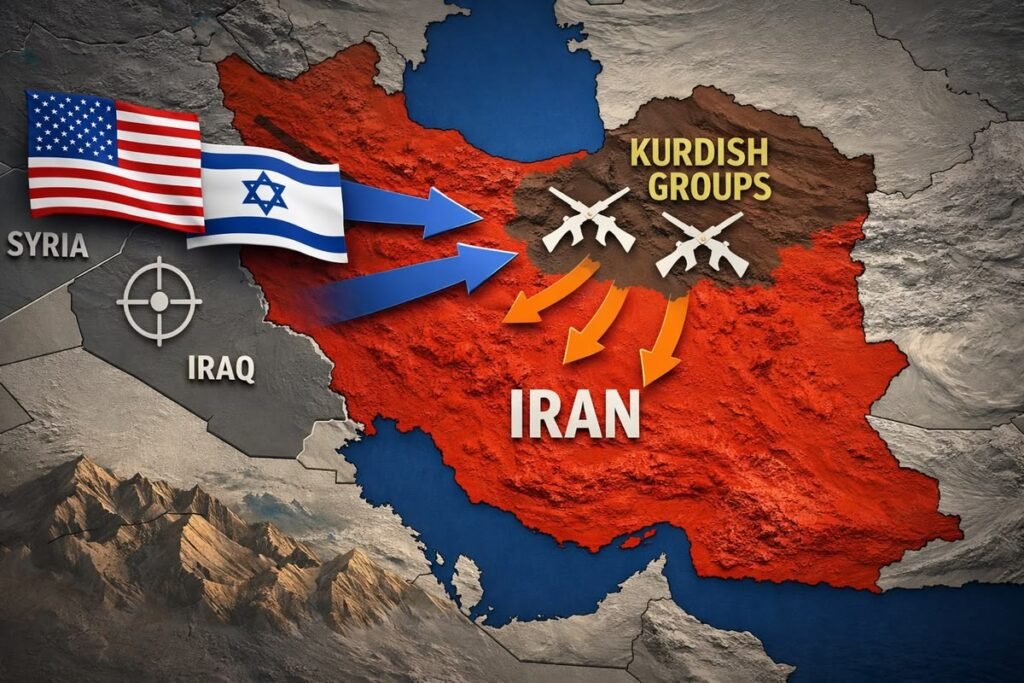
The ongoing war involving Iran is not a sudden event. It stems from long‑standing tensions between Iran and the United States, as well as Iran and Israel, which have evolved over many years. These disagreements include disputes over nuclear programs, military influence in the region, regional alliances, and ideological differences. Over decades, policies of mutual distrust and conflict have shaped the modern political landscape that now fuels the current global fallout.
However, tensions rapidly increased in early 2026 when coordinated airstrikes from the United States and Israel struck multiple targets in Iran, leading to widespread retaliation and a broader war.
From Local Clashes to Global Escalation
After the initial actions at the end of February 2026, Iran responded by launching missiles and drones targeting Israel as well as bases and allied positions across the Middle East. This wave of retaliation quickly expanded the battlefield, drawing in multiple countries, testing regional power alignments, and creating fear that the conflict might spread even wider.
Chapter Two: Breaking Iran News – Militant and Military Trends
Major Military Actions and Retaliations
Since the conflict began, dynamic military exchanges have shaped daily Iran News coverage. Sources confirm that joint strikes by the United States and Israel, named Operation Epic Fury, targeted strategic and military sites inside Iran and destroyed a wide range of defense infrastructure. These strikes also killed senior Iranian leaders, sparking intensified retaliation.
In turn, Iran fired missiles and deployed drones against military bases and allied countries in the region. Targets reportedly included American bases, Israeli positions, and allied nations such as Bahrain, Kuwait, and Saudi Arabia. This level of response shows that the conflict rapidly spread beyond the original combatants to involve multiple fronts.
Global Hotspots and Nightly Developments
Recent updates in Iran News reveal many attack sites and military engagements that continue to unfold, including drones striking strategic bases and missiles flying over international waters. These developments signal that the war is not a short‑lived event but may remain active for an extended period unless diplomatic progress is made.
Chapter Three: The Global Economic Fallout
Energy Markets Under Pressure
One of the earliest and most visible global effects of the conflict, as reported in Iran News, is the dramatic impact on energy markets. The Iranian region controls some of the most vital oil routes in the world, and tensions near key channels such as the Strait of Hormuz have sent global oil prices rising sharply.
Oil prices rose toward $100 per barrel and briefly spiked over that level as markets reacted to the conflict’s escalation. This kind of fluctuation threatens the stability of energy markets and contributes to higher costs for gasoline, heating, and transportation worldwide.
IMF Warning: Higher Prices and Slower Growth
In addition to rising energy costs, global financial institutions such as the International Monetary Fund have warned that the combined conflict effects could cause sustained economic disruptions beyond energy markets. According to the IMF, higher prices and slower global growth are possible if the conflict lasts and disrupts supply chains, investment flows, and consumer confidence.
This economic ripple effect shows how deeply a regional war involving Iran can affect global trade and national economies far removed from the Middle East.
Chapter Four: Diplomatic Ripples and Global Reactions
Shifting International Alliances
A surprising global reaction to the ongoing war is how alliances and international strategies are shifting. For instance, some global powers are recalibrating their positions, seeking to balance economic interests with geopolitical alignments. Russia has been identified as an unexpected beneficiary of the war, benefiting politically in ways that reshape world power relationships.
At the same time, major states in Asia, Africa, and the Pacific are distancing themselves from direct military involvement while urging peaceful resolution and diplomacy. Others are voicing concern about potential nuclear proliferation risks if the conflict expands or remains unresolved.
The Narrative War and Information Diplomacy
Beyond military clashes, many governments are also involved in a broader narrative struggle, using diplomatic channels to influence perception and international policy. For example, nations may pressure others through public statements to gain a strategic advantage or to push for an easing of tensions. This kind of political communication has become an important part of Iran News analysis in recent weeks.
Chapter Five: Human Lives and Social Impact
Evacuations and Civilian Safety
As the war impacts larger areas, civilians have faced evacuations and disruptions. Governments and international agencies have organized emergency repatriations and relocations of both foreign nationals and residents from conflict zones. These efforts reflect a widespread humanitarian challenge caused by ongoing military action.
Civilians caught in war zones face threats from missile strikes, bombings, and infrastructure collapse. This reality, reported regularly in Iran News, shows the human cost of the conflict and the difficulty ordinary people endure amid rising violence.
Arrests and Internal Security Measures
Inside Iran, the government has implemented extensive security operations, including arrests of individuals accused of espionage or undermining national stability. These measures, while described by authorities as necessary for national security, also reflect the internal tensions that accompany wartime conditions.
The combination of evacuation, state security measures, and public fear reveals how war transforms daily life for people in the region, even if they are not directly involved in combat.
Chapter Six: Military Strategy and Technology Shifts
Evolving War Techniques
Recent analyses of the conflict show that Iran has shifted its military strategy, deploying a mix of ballistic missiles and drones and utilizing dynamic defensive techniques to challenge opposing air defenses. These adaptations reflect a more complex and sophisticated phase of warfare that goes beyond traditional large‑scale battles.
At the same time, both the United States and Israel have employed advanced air and ground capabilities to degrade Iran’s military infrastructure and command networks, signaling a prolonged commitment rather than a short conflict.
Cyber and Electronic Warfare
Parallel to battlefield strategy, cyber operations and electronic warfare have become part of the conflict spectrum. Nations and militias leverage digital tools to disrupt communications, spread information, and influence both domestic and international perspectives. These non‑kinetic forms of conflict are increasingly reported as part of Global News coverage.
Chapter Seven: Regional Impact Beyond Iran and Israel
Middle East in Turmoil
As war expands, nations across the Middle East feel the impact. Many neighboring states have heightened military readiness, increased defense spending, and prepared emergency services for potential spillover fights. This strain on regional resources deepens collective anxiety about future escalation.
Countries such as Kuwait, Qatar, Saudi Arabia, Bahrain, and even Turkey have reported military alerts and readiness measures as a result of Iran’s retaliatory strikes in multiple directions.
Energy Routes and Regional Security
Crucial maritime routes like the Strait of Hormuz and Bab el‑Mandeb, which carry a large percentage of global oil and gas exports, remain areas of intense concern. Since any disruption in these corridors can quickly raise global energy prices, this issue affects nations far beyond the war zone.
Chapter Eight: Global Opinion and Public Sentiment

Public Viewpoints Around the World
Polls and surveys in many countries show that people are concerned about the war’s impact on daily life, especially regarding rising fuel prices, inflation, and global stability. For example, in the United States, about two‑thirds of people surveyed want a rapid end to military involvement, even if goals are unachieved.
This type of public sentiment reflects growing frustration, economic concern, and fear of long‑term war consequences both domestically and globally.
Online Discourse and Social Movements
In addition to formal opinion polls, social media and online discussions reveal heightened anxiety, diverse viewpoints, and strong demands for peaceful solutions. Everywhere from North America to Europe and Asia, citizens are participating in debates about war, peace, security, and national priorities linked to the effects of the conflict.
Chapter Nine: Long‑Term World Order and Security Risks
Threat of Nuclear Proliferation
Experts warn that if the conflict continues without resolution, other countries may seek nuclear capability as a deterrent, potentially triggering a new wave of nuclear competition. This risk is covered in security analyses and international policy discussions tied to Iran News themes.
Such developments could undermine global treaties and encourage dangerous power dynamics in other regions.
Shifts in Global Alliances
The war has already caused changes in strategic alliances. Some nations are strengthening old partnerships, while others are cautiously repositioning to maintain stability. Long‑term global architecture may shift significantly as countries reassess their security strategies and economic relations.
Conclusion
The story behind Iran News is more than a regional war. It is a saga of global drama that influences economics, energy, diplomacy, public sentiment, and military strategy around the world. From rapidly rising oil prices and threats to naval trade routes to shifting global alliances and concerns over long‑term security, this conflict has turned into a global issue that cannot be ignored.
While the hope for peace and diplomatic resolution still exists, the immediate effects on civilians, global markets, national policies, and international relations show that the impacts of this war are widespread and will be felt for years to come.