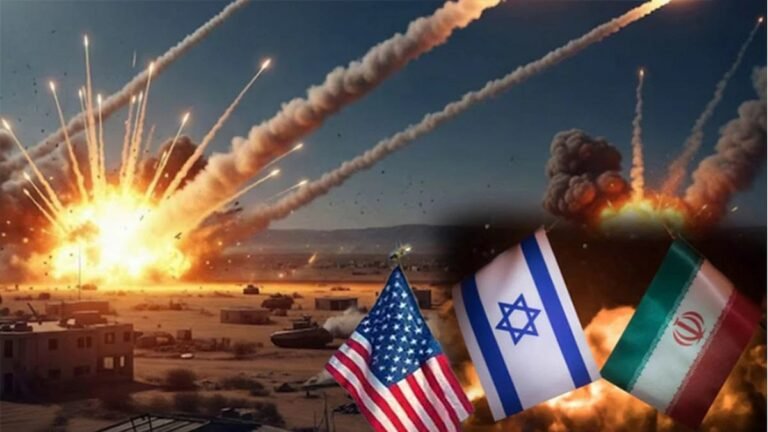
Iran News remains one of the most searched topics in global politics because the Middle East continues to face serious political and military tension. Moreover, the growing conflict between Iran, Israel, and the United States has increased international concern. As a result, people across the world now follow every major update related to regional security, diplomacy, oil markets, and military actions.
The Middle East is not only important because of politics. Instead, the region also holds deep religious, economic, and historical value. Therefore, every major development involving Iran quickly becomes international news.
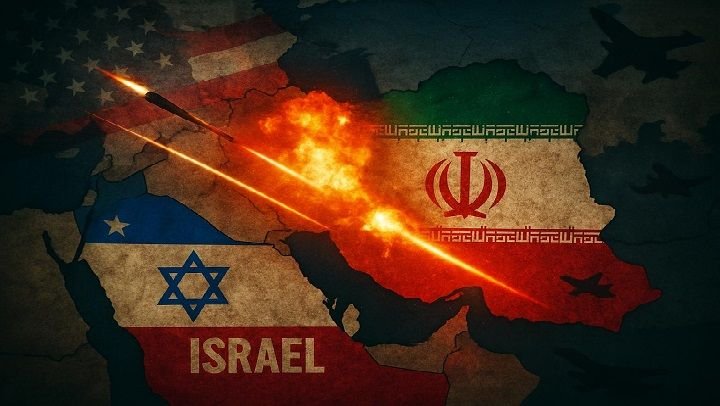
Understanding Iran’s Political Position in the Middle East
Iran holds a powerful position in Middle Eastern politics. In fact, the country influences many regional events through diplomacy, military partnerships, and political alliances. Moreover, Iran follows an Islamic political system that combines religion and government leadership.
Iran’s Islamic Government System
After the Islamic Revolution of 1979, Iran became an Islamic Republic. Since then, religious leadership has played a major role in national decision-making. Furthermore, the Supreme Leader remains the highest authority in the country.
Meanwhile, the President manages economic and administrative affairs. However, major security and foreign policy decisions often remain connected to religious leadership.
Because of this system, Iran’s policies are strongly linked with Islamic values and national independence.
Iran’s Regional Influence
Iran maintains influence in several Middle Eastern countries, including Syria, Iraq, Lebanon, and Yemen. Additionally, the country supports groups and governments that oppose foreign intervention in the region.
As a result, Iran has become both an important regional power and a central figure in Middle East conflicts.
The Growing Iran Israel Conflict
The conflict between Iran and Israel has increased over recent years. Although both countries rarely fight directly, tensions continue to rise through military operations, cyberattacks, and political threats.
Historical Background of the Conflict
Before 1979, Iran and Israel maintained normal relations. However, the Islamic Revolution changed this relationship completely. After the revolution, Iran stopped recognizing Israel and openly supported Palestinian causes.
Consequently, political hostility between both countries became stronger over time.
Disagreements Over Palestine
One major reason behind the conflict involves Palestine. Iran strongly supports Palestinian rights and opposes Israeli policies in Gaza and the West Bank.
Meanwhile, Israel views Iranian support for armed groups as a serious security threat. Therefore, both nations continue exchanging accusations and warnings.
Military Tensions Between Iran and Israel
In recent years, military tensions have increased sharply. Israel has launched airstrikes against Iranian-linked targets in Syria. On the other hand, Iran has expanded missile and drone programs.
As a result, security experts fear that direct conflict could happen in the future.
USA and Iran Relations
Relations between the United States and Iran have remained tense for decades. Although diplomacy has occasionally improved communication, political disagreements still continue.
The Impact of the 1979 Revolution
The relationship changed dramatically after the Iranian Revolution. During that period, Iranian students took control of the US Embassy in Tehran and held American diplomats hostage.
Consequently, diplomatic relations between both countries collapsed.
Economic Sanctions on Iran
The United States has imposed several sanctions on Iran. These sanctions target oil exports, banking systems, and international trade.
Therefore, Iran’s economy has faced inflation and financial pressure. However, Iranian leaders continue resisting foreign pressure and defending national policies.
Iran Nuclear Deal and Political Debate
The 2015 nuclear agreement created hope for diplomacy. Under the agreement, Iran limited nuclear activities in exchange for reduced sanctions.
However, the United States later withdrew from the deal. As a result, tensions increased again.
Today, discussions about Iran’s nuclear program continue to affect international politics.
Recent Military Developments in the Middle East
The Middle East has recently experienced serious military activity involving Iran, Israel, and the USA. Consequently, fears of wider conflict have increased.
Drone and Missile Attacks
Iran has developed advanced drone and missile systems. Meanwhile, Israel has improved air defense systems to counter regional threats.
Because of this military competition, security concerns continue growing across the region.
US Military Presence in the Region
The United States maintains military bases in several Middle Eastern countries. Additionally, American naval forces regularly patrol the Persian Gulf.
According to US officials, these forces protect international shipping routes and regional allies.
However, Iran views foreign military presence as a threat to regional independence.
Cyber Warfare and Intelligence Operations
Modern conflict no longer depends only on traditional military action. Instead, cyber warfare now plays an important role.
Iran and Israel have both faced cyberattacks targeting infrastructure, security systems, and communication networks. Therefore, digital security has become another major concern.
The Importance of Oil and Energy Politics
Energy politics remains one of the most important reasons behind Middle East tensions.
Iran’s Oil Resources
Iran possesses large oil and natural gas reserves. Therefore, the country holds strategic economic value globally.
Whenever conflict increases in the region, oil prices often rise. Consequently, global markets closely follow every important update from the Middle East.
The Strait of Hormuz
The Strait of Hormuz is one of the world’s most important shipping routes for oil transportation. Iran controls part of this area.
Because of this location, any military tension near the Strait immediately affects international trade and energy markets.
Middle East Political Crisis Explained
The Middle East faces several political problems beyond military conflict.
Sectarian Divisions
Political rivalry between Sunni and Shia powers continues affecting regional stability. Iran mainly follows Shia Islam, while countries like Saudi Arabia follow Sunni Islam.
Although Islam teaches unity and peace, political competition has increased divisions in some areas.
Foreign Intervention
Foreign involvement has also shaped Middle Eastern politics for many years. Countries such as the USA, Russia, and several European nations have participated in regional conflicts.
As a result, many Middle Eastern populations distrust foreign political influence.
Civil Wars and Regional Instability
Countries like Syria and Yemen continue facing conflict and humanitarian crises. Iran supports some regional governments and groups, while other countries support opposing sides.
Therefore, peace efforts remain difficult.
Iran and Palestine Relations
Iran strongly supports the Palestinian cause. Moreover, Iranian leaders regularly speak against Israeli military operations in Palestinian territories.
Support for Palestinian Groups
Iran provides political and financial support to Palestinian resistance organizations. Consequently, Israel accuses Iran of increasing regional instability.
Religious Importance of Jerusalem
Jerusalem holds deep importance for Muslims worldwide. Iran frequently discusses the protection of Islamic holy sites in the city.
Because of this issue, the Palestine conflict remains emotional and politically sensitive.
Iran’s Military Capabilities
Iran has invested heavily in military development over recent decades.
Missile Technology
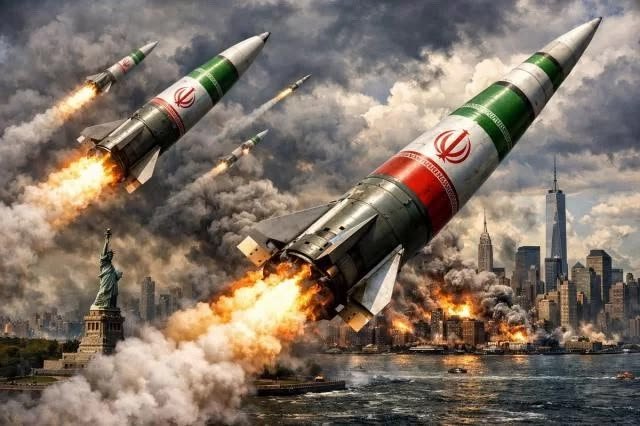
Iran possesses one of the largest missile programs in the Middle East. Additionally, missile systems play an important role in national defense strategy.
Drone Development
Iranian drones have gained international attention because of their advanced technology and regional use.
Consequently, several countries closely monitor Iran’s military progress.
Naval Power in the Persian Gulf
Iran also maintains strong naval forces in the Persian Gulf. Therefore, the country can influence shipping security in important trade routes.
The Role of Russia and China
Russia and China continue strengthening relations with Iran.
Economic Cooperation
Both countries cooperate with Iran in trade, energy, and infrastructure projects.
As a result, Iran has expanded economic partnerships outside Western influence.
Political Support
Russia and China often criticize Western sanctions against Iran. Furthermore, both countries support diplomatic negotiations instead of military confrontation.
Impact on Global Economy
Middle East tensions directly affect the global economy.
Rising Oil Prices
Whenever military conflict increases, oil prices often rise rapidly. Consequently, transportation and fuel costs become more expensive worldwide.
Trade and Shipping Risks
Political instability in the Persian Gulf may threaten international shipping routes. Therefore, global businesses carefully monitor regional security developments.
Humanitarian Effects of Regional Conflict
Conflict in the Middle East has caused serious humanitarian problems.
Refugee Crisis
Millions of people have lost homes because of wars and political violence. Consequently, neighboring countries continue facing refugee challenges.
Economic Hardship
Sanctions, inflation, and unemployment have affected ordinary citizens across the region.
Although governments focus on political strategy, civilians often suffer the most during conflicts.
Need for Peaceful Solutions
Many religious scholars and international organizations continue calling for diplomacy and peace.
Moreover, Islamic teachings encourage justice, patience, and protection of innocent lives.
Media Coverage and Global Attention
International media organizations regularly cover Middle East developments.
Role of Social Media
Social media platforms now spread political updates faster than traditional television networks.
Therefore, public opinion can quickly change during major events.
Misinformation Challenges
At the same time, false information can create fear and confusion. Consequently, readers should follow trusted and verified news sources.
Future of Iran USA Israel Relations
The future of relations between Iran, Israel, and the USA remains uncertain.
Possibility of Diplomacy
Diplomatic talks may still reduce tensions. Additionally, economic cooperation could improve regional stability.
Risk of Wider Conflict
However, military misunderstandings or sudden attacks could increase conflict rapidly.
Therefore, global leaders continue encouraging peaceful negotiations.
Importance of International Cooperation
International organizations, including the United Nations, support diplomatic efforts to avoid war.
Because of this, future peace depends heavily on dialogue and political compromise.
Islamic Perspective on Peace and Justice
Islam encourages peace, fairness, and respect for human life.
Justice in Islam
The Quran teaches Muslims to support justice and avoid oppression. Therefore, many Islamic scholars oppose violence against civilians.
Unity Among Muslims
Islam also encourages unity among Muslims regardless of political or sectarian differences.
Consequently, many religious leaders continue promoting peace across the Muslim world.
Peaceful Conflict Resolution
Islamic teachings support dialogue and peaceful settlement of disputes whenever possible.
Therefore, many Muslims hope for stability and cooperation in the Middle East.
Why the World Watches Middle East Developments
Middle East events affect global politics, security, and economics.
Strategic Importance of the Region
The region controls important oil reserves and international trade routes. Consequently, world powers remain heavily involved in Middle Eastern affairs.
Global Security Concerns
Military conflict involving Iran, Israel, and the USA could impact many countries worldwide.
Therefore, international attention remains focused on regional developments.
Conclusion
The Middle East continues facing political tension, military competition, and diplomatic challenges. Iran, Israel, and the United States remain central players in these developments. Consequently, global audiences continue following every major update closely.
Iran’s role in regional politics remains highly influential because of its military strength, Islamic political system, and strategic location. Meanwhile, Israel continues focusing on security concerns and regional defense. At the same time, the United States maintains political and military involvement across the region.