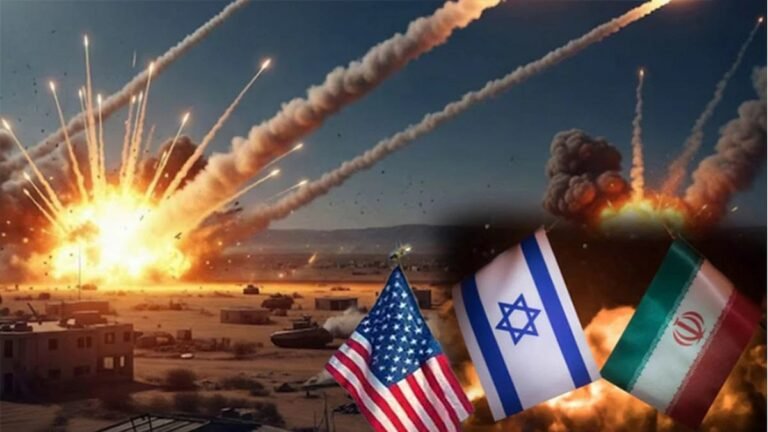
Iran News today centers on a full‑scale regional crisis involving multiple nations and deep geopolitical tensions. What began as a series of military engagements has expanded into widespread armed conflict with profound consequences for global politics, human lives, energy markets, and international law.
Recent events include airstrikes, retaliation from Iran, strategic ultimatums from the United States, expanded proxy attacks, and disruptions to vital global infrastructure like the Strait of Hormuz. These developments have been described as among the most serious Middle East escalations in decades.
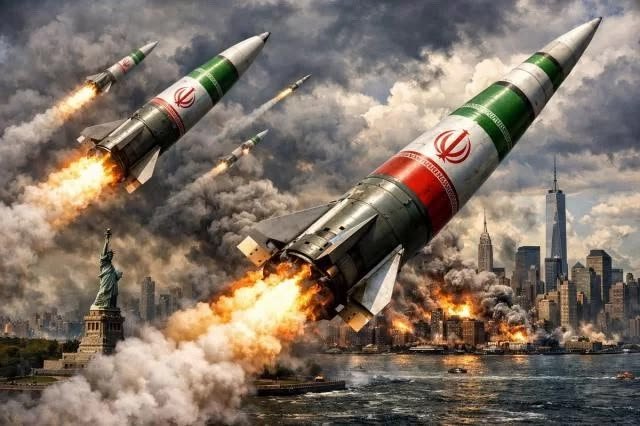
Historical Context of the Iran–Israel Conflict
Long‑Standing Rivalries in the Middle East
The conflict between Iran and Israel did not begin recently; it has roots reaching back several decades. Since the Iranian Revolution in 1979, Iran’s government has adopted a posture of resistance against Israel, often supporting allied militia groups and adopting rhetoric opposing Israel’s regional role.
Over time, this ideological tension evolved into proxy conflict, with Iran providing support to groups like Hezbollah in Lebanon and Hamas in Gaza, and Israel countering with targeted strikes and regional influence efforts.
In early 2026, negotiations and pressures broke down, and direct hostilities erupted into what many sources now describe as an active war — involving air campaigns, missile strikes, naval actions, and cyber operations.
Thus, understanding this deeper historical foundation is critical for grasping why Iran News now focuses on an expanding regional war rather than isolated disputes.
Recent Military Escalation: Key Events in Iran News
Coordinated U.S.–Israel Forces and Iranian Retaliation
The latest phase of the Middle East conflict escalated significantly when the United States and Israel began coordinated military strikes on Iranian targets early in 2026. These operations, described by Israeli officials as efforts to “degrade threats” and prevent what they called existential danger from Iranian proxies, marked a dramatic intensification of existing tensions.
In response, Iran has carried out missile and drone attacks against Israel and allied positions in the Gulf, targeting infrastructure and defense systems. These military exchanges have led to civilian damage, rising casualties, and hits on energy installations in multiple countries.
Attack on Israeli‑Linked Vessel and Strategic Waterways
In a significant escalation, Iran’s Islamic Revolutionary Guard Corps announced that it struck a vessel linked to Israel in the strategic Strait of Hormuz, a crucial global shipping lane. The strike caused a fire onboard and underscored Tehran’s willingness to widen the conflict to key economic routes.
This move has implications far beyond the battlefield, since the Strait of Hormuz handles a large share of the world’s oil shipments, meaning disruptions can ripple through global markets and supply chains.
Israeli Airstrikes on Iranian Infrastructure
Israel confirmed airstrikes against Iranian petrochemical zones, resulting in the deaths of civilians and damage to critical facilities. Prime Minister Benjamin Netanyahu described these strikes as part of a broader campaign to disrupt Iran’s capacity to wage war and supply enemy forces.
Israeli actions have also targeted military installations deep within Iran, showing a willingness to extend operations beyond border clashes into offensive strategic pressure.
These developments have been widely reported in global media as escalation markers, pushing Iran News into front‑page global headlines with urgent updates.
Global and Regional Repercussions
Strait of Hormuz and Energy Disruptions
The attacks on maritime assets and naval choke points have triggered economic alarm worldwide. Global energy markets have reacted sharply to the threats in the Strait of Hormuz, raising oil prices and prompting concerns about stability in key trading routes.
This geopolitically sensitive waterway has become a flashpoint because Iran can exert influence over shipping traffic, potentially slowing or blocking vital energy exports. Such disruptions can affect fuel costs, import prices, and broader economic health in countries far from the Middle East.
Proxy Forces and Wider Regional Impact
The conflict has not stayed confined to direct Iranian or Israeli forces. Allied and proxy groups across the region have entered the fray. For example, Houthi fighters in Yemen have launched ballistic missiles at Israel in solidarity with Iran, tying other fronts into the larger war landscape.
Similarly, Lebanese territory has seen heavy bombardment due to exchanges between Israeli forces and Hezbollah groups, resulting in significant casualties and displacement.
These layers of multi‑front escalation reflect how Iran News now captures a broader Middle East crisis rather than an isolated bilateral conflict.
Humanitarian Impact and International Response
Civilian Casualties and Displacement
The intensification of military actions has produced heartbreaking humanitarian consequences. Reports indicate hundreds — if not thousands — of civilians affected in urban centers across multiple countries, both from direct strikes and from disruptions to essential services.
Displacement has become a widespread challenge, as families flee conflict zones for safer locations, often with limited access to food, healthcare, or shelter.
Diplomatic Moves and Global Concerns
In response to the escalation, several nations and international organizations have urged de‑escalation. Egypt, Turkey, and Pakistan have publicly called for reduced tensions and diplomatic negotiation, even as Iran rejected temporary ceasefires and pushed for lasting conflict resolution terms.
Meanwhile, global leaders face pressure to broker peace while balancing security interests, humanitarian needs, and strategic alliances — a difficult task given the depth of mistrust between the conflict parties.
Strategic Dimensions of the Iran–Israel Confrontation
Military Strategies and Tactics
Both sides have employed evolving military strategies reflecting lessons learned from previous conflicts. Iran’s use of missiles and drones, often in smaller but consistent waves, has aimed to strain Israeli defense systems and create psychological stress on civilian populations.
Israel, in response, has conducted precise air operations inside Iran and on proxy positions in border regions, relying on advanced defense systems and coordinated battlefield planning with U.S. forces.
These tactical dynamics contribute to the ongoing narrative in Iran News as military experts and analysts weigh the impacts of each phase on future conflict prospects.
Cyber and Technological Warfare
The conflict has also entered digital arenas, where cyber operations have intertwined with physical attacks. These cyber campaigns aim to disrupt communications, target infrastructure, and gather strategic intelligence, blurring the line between traditional and modern war fronts.
Such dual‑front warfare adds complexity to the conflict, making it even harder for ordinary people to follow developments without up‑to‑date reporting.
Economic and Global Market Effects

Energy Prices and Supply Chain Instability
Eastern and Western economies alike have been affected by volatility in oil and gas prices due to ongoing threats around the Strait of Hormuz. Even countries far from the conflict zone have seen rising fuel costs and trade disruptions as a result of uncertainty in shipping routes and broader energy supply concerns.
These market pressures highlight how US-Iran News is not just a political or military topic but also an economic story with real‑world impacts on households and industries worldwide.
Regional Trade and Investment Challenges
Beyond energy, regional trade patterns have shifted as companies reassess security risks, insurance costs rise for shipping, and investors reconsider their exposure to instability in the Middle East.
These financial trends feed back into policy decisions within governments, further shaping the strategic calculus that appears in Iran News reporting.
What Comes Next? Scenarios and Outlook
Continued Conflict or Negotiated Peace
Several potential futures exist for the Iran–Israel conflict. One path involves sustained military engagement that gradually expands into further regional involvement. Another possibility includes renewed diplomatic efforts aimed at a negotiated ceasefire and conflict de‑escalation.
Diplomatic pressure and negotiation attempts, though ongoing in some corridors, have yet to yield lasting truce agreements, keeping tensions high and geopolitical risk elevated.
Impact on Regional Alliances
How regional powers choose to align — whether through support, neutrality, or mediation — will significantly influence future developments. Countries across North Africa, the Gulf, and Asia are watching closely, and public opinion in many nations impacts diplomatic options.
The uncertainty surrounding these alignments continues to drive Iran News coverage as analysts track shifts in regional politics and strategic partnerships.
Conclusion
The recent escalation in the Israel conflict has propelled Iran News into urgent global discourse. With multi‑front military actions, strategic strikes, economic impacts, and deep humanitarian consequences, this conflict touches nearly every dimension of international concern.
From strategic air operations to cyber warfare, from economic shocks to diplomatic maneuvering, the crisis reflects a historic moment with widespread effects.