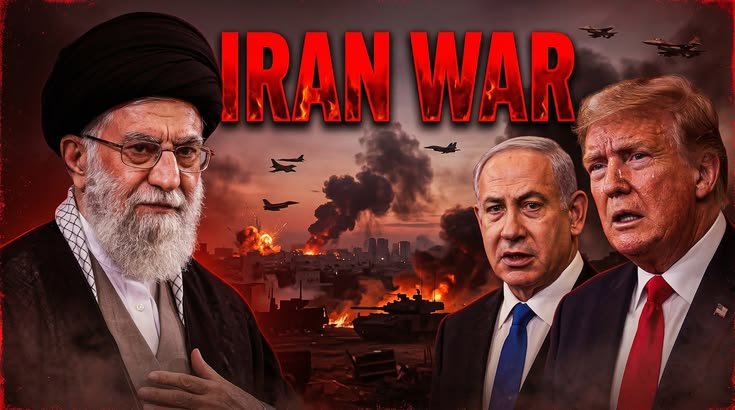
The world’s attention has shifted sharply toward the Middle East amid a severe conflict between the United States and Iran that has escalated into a powerful military and political crisis. Latest Iran News highlights an ongoing war that involves full‑scale military strikes, diplomatic pressure, regional risk, and global economic reverberations. This comprehensive report explains the core causes, key developments, and future prospects of this critical USA‑Iran conflict.
Iran News: How US‑Iran Tensions Escalated
Long‑Standing History of Hostility
The roots of the USA‑Iran conflict go back decades and are built on deep political distrust, strategic rivalry, and repeated diplomatic breakdowns. For years, U.S. governments have criticized Iran’s nuclear program, its regional alliances, and its influence in neighboring countries. Conversely, Iran has repeatedly pushed back against what it sees as Western interference and has firmly defended its sovereignty and strategic interests.
These tensions have simmered for much of the 21st century, occasionally erupting into skirmishes, sanctions battles, and proxy confrontations.
Nuclear Dispute and Rising Tensions
A major factor in the conflict has been the disagreement over Iran’s nuclear program. The United States insists that Iran’s nuclear activities could lead to the development of weapons, even though Tehran maintains it is pursuing peaceful energy. Since Washington withdrew from the 2015 nuclear deal, Iran’s enrichment of uranium increased, raising alarm in U.S. political circles and among many Western states.
This nuclear disagreement helped push both sides toward a harsher diplomatic stance throughout 2025 and into early 2026.
Trigger Events and Outbreak of War
Joint U.S.‑Israeli Military Action
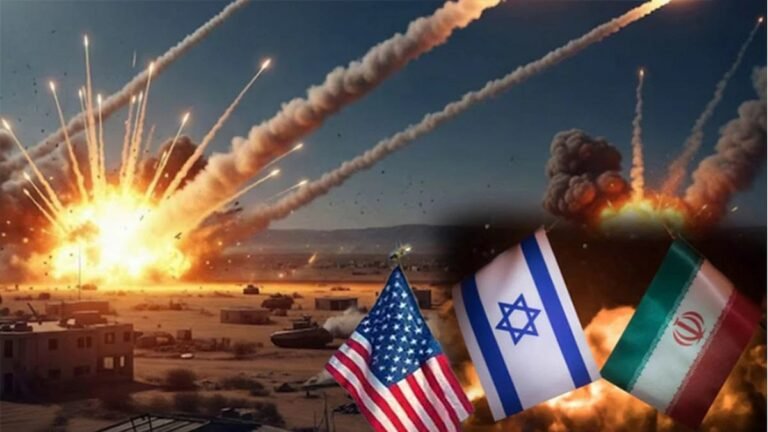
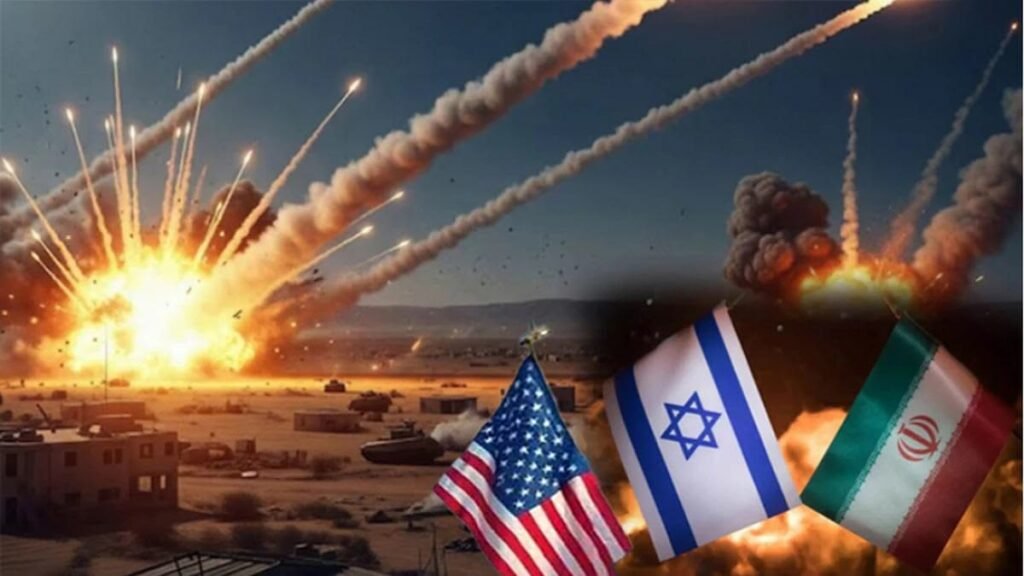
The conflict escalated sharply on 28 February 2026, when United States and Israeli forces launched intense military strikes against multiple Iranian targets. These attacks included strategic bases, missile facilities, and air defense sites within Iran’s borders, marking a dramatic military confrontation.
This action set off a rapid escalation of military exchange and was widely reported in global Iran News outlets as the beginning of open hostilities that quickly spread throughout the region.
Iranian Response and Retaliation
In response to these strikes, Iran launched waves of missiles and drones targeting U.S. positions and allied assets in the Gulf region and beyond. Although advanced defense systems intercepted many projectiles, some caused significant damage and injuries. Iranian forces also targeted Israeli territory and strategic locations across neighboring states, showing expansion of retaliation beyond simple defensive action.
The reciprocal strikes demonstrated that the conflict had quickly moved from diplomatic tension into active warfare.
Iran News: Major Military Developments
Downed U.S. Aircraft and Escalation
One of the most critical developments in the USA‑Iran conflict was the downing of two U.S. warplanes on 3 April 2026. An F‑15E and an A‑10 were shot down during combat operations over Iran, leading to the first known U.S. crew casualties in the conflict. Rescue efforts were complicated by hostile conditions, adding both human cost and strategic uncertainty to the war.
This event was widely covered in Iran News and became a key moment that underscored the intensity and dangers of the conflict.
Strategic Strikes on Oil Infrastructure
Another major aspect of this conflict is its effect on regional infrastructure. On 7 April 2026, U.S. forces launched a significant assault on Kharg Island, a critical oil export hub for Iran. Since approximately 90% of Iran’s oil exports pass through this facility, the strike aimed to weaken both Iran’s economic and military capacity, increasing pressure on Tehran amid ongoing diplomatic negotiations.
This action demonstrated that energy infrastructure had become part of the strategic battlefield, not just military installations.
Iran News: Diplomacy and Ceasefire Attempts
Framework for Ending Hostilities
Despite serious military engagements, efforts to negotiate a ceasefire and end hostilities have progressed at key moments. A recent proposal, reportedly exchanged through a Pakistan‑mediated plan, outlined a two‑tier approach that would start with a ceasefire followed by a more comprehensive agreement between Iran and the United States.
This development offered the first structured diplomatic initiative aimed at de‑escalation and highlighted that even amid active conflict, dialogue channels remain open to mitigate further escalation.
Iran’s Preconditions for Peace Talks
As reported in Iran News, Iranian officials have set specific preconditions for peace negotiations. These include an end to U.S. military strikes, assurances against future attacks, compensation for damages, and recognition of control over strategic assets like the Strait of Hormuz. Iran has firmly rejected temporary ceasefire arrangements until these conditions are met, reflecting its insistence on a broader settlement framework.
The insistence on such conditions underscores how deeply strategic and political demands influence diplomatic progress.
Two‑Week Ceasefire Proposal
Amid rising international pressure, a two‑week ceasefire plan has been proposed and discussed by senior officials from both sides. The initiative includes mutual pauses in military operations and signals the potential start of broader negotiations that could address the core issues behind the conflict.
Although this proposed pause is still fragile, it shows that diplomacy remains a crucial element of the conflict landscape.
Key Strategic Elements of the Conflict
Strait of Hormuz and Global Energy
A central strategic focus in the USA‑Iran conflict has been the Strait of Hormuz, a narrow waterway that handles about one‑fifth of global oil shipments. Iran’s control over this critical route gives it powerful leverage in both regional war dynamics and global energy markets. Any closure or disruption of the strait has immediate worldwide economic effects.
Recent diplomatic efforts and ceasefire proposals include clauses related to the reopening of this channel, illustrating how strategic geography continues to influence conflict negotiations.
Regional “Proxy” Dynamics
Although this article focuses on the USA‑Iran relationship, allied groups and regional actors have also played roles in widening the conflict. Iranian‑aligned militias, such as Hezbollah in Lebanon and other units in Iraq and Yemen, have been associated with indirect engagements that raise both tactical and political stakes across the Middle East.
These proxy elements show that the conflict’s effects extend beyond direct USA‑Iran interactions, shaping a more interconnected regional crisis.
Political Positions and Objectives
United States Strategic Goals
From the U.S. perspective, core goals in this conflict have included preventing Iran from gaining nuclear weapons capability, limiting Iran’s ballistic missile program, and reducing Tehran’s influence across the Middle East. Washington’s official stance emphasizes pressure through a combination of military force, sanctions, and diplomatic negotiations.
These objectives reflect long‑standing U.S. foreign policy positions and strategic priorities in the region.
Iran’s Strategic Priorities
In contrast, Iranian leaders have consistently stressed their right to defend national sovereignty, maintain a domestic nuclear program, and preserve their military capabilities, including ballistic missiles. Tehran has repeatedly stated that it will not surrender its strategic assets or accept terms framed by external military pressure.
This strategic posture has contributed to Iran’s firm negotiating stance and its reluctance to accept ceasefires that do not meet its core conditions.
Humanitarian Impact and Civilian Concerns
Damage and Displacement
The USA‑Iran conflict has already caused substantial harm to civilian populations, infrastructure, and basic services within Iran and in wider regions affected by strikes and military activity. Homes, schools, and hospitals have experienced interruptions, raising serious humanitarian concerns that remain central to ongoing international attention.
Such impacts are frequently highlighted in Iran News reports, underscoring the broad human cost beyond battlefield announcements.
Economic Disruptions
Beyond strategic military concerns, the conflict has caused major disruptions to global trade, energy prices, and economic stability. With tensions affecting the Strait of Hormuz and global oil supply chains, rising energy costs have put pressure on economies worldwide. Analysts note that prolonged conflict could accelerate shifts in energy policies and influence markets far from the Middle East.
These economic consequences show how local conflicts can produce far‑reaching effects on global systems.
International Reactions and Global Stakes
Diplomatic Engagements Beyond Washington and Tehran
Many nations outside the immediate conflict have expressed concern over the war and have engaged in mediation efforts. Leaders from Europe, Asia, and the Gulf region have called for de‑escalation and negotiated solutions, reflecting broad global interest in preventing wider instability.
For example, diplomatic delegations from the United Kingdom traveled to the Gulf after a ceasefire agreement, advocating continued peace efforts and expressing concern over military Middle East, escalation.
United Nations and Calls for Peace
International bodies like the United Nations have repeatedly urged for an end to the hostilities and emphasized the importance of protecting civilians and upholding international humanitarian laws. These global appeals highlight the deep international concern that continues to grow as the conflict unfolds.
Such global participation shows that this crisis is not merely a bilateral clash, but a matter of worldwide interest and consequence.
Current Status and Future Prospects
Is the War Ending Soon?
At the time of writing, Iran News indicates that while ceasefire proposals exist and diplomatic exchanges continue, the conflict’s underlying strategic disagreements remain unresolved. Iran’s insistence on permanent peace terms, rather than temporary pauses, complicates negotiations.
Likewise, the United States maintains strategic goals that could limit how far talks proceed unless core security concerns are addressed.
Possibilities for Peace or Escalation
Experts outline several possible future paths:
- Diplomatic success, where negotiated agreements lead to lasting peace and a reduction of military tension.
- Extended conflict, where diplomatic talks stall and military operations continue into future months or years.
- Regional escalation, where proxy elements and allied groups draw the war into broader engagements with neighboring states.
Each scenario carries profound implications for global stability and regional security.
Conclusion
Iran News today reflects a critical USA‑Iran conflict with deep historical roots, complex military developments, and far‑reaching political, economic, and humanitarian effects. The war has moved from tension to full‑scale engagement, and while ceasefires and negotiations offer glimmers of hope, core disagreements remain unresolved.
As global leaders work toward peace and avoid wider escalation, the world watches carefully. Understanding this conflict requires not only following battlefield news and strategic moves but also appreciating the deeper diplomatic, economic, and human elements involved.