The Middle East has always played a powerful role in global energy markets. Among all regional countries, Iran remains one of the most important energy producers because of its huge oil and gas reserves. Therefore, millions of people follow Iran News to understand changes in oil production, energy politics, and international relations.
Iran’s oil industry affects not only the Middle East but also Europe, Asia, and many developing economies. Whenever political tension rises in the Gulf region, oil prices often increase across the world. As a result, governments, businesses, and investors closely monitor developments connected to Iran.
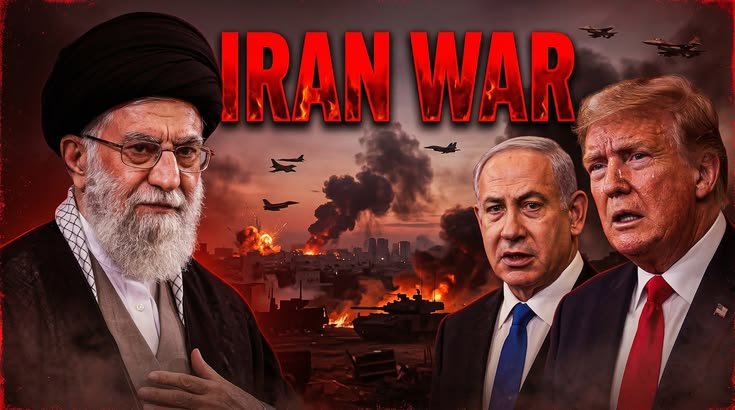
Iran News: Understanding Iran’s Role in Global Energy
Iran holds one of the world’s largest oil and natural gas reserves. Because of this, the country remains highly important in international energy discussions. Furthermore, Iran’s location near the Persian Gulf gives it major strategic value.
Iran’s Oil Reserves
Iran has enormous underground oil reserves that support its economy. In addition, the country exports crude oil to several regions around the world. Although sanctions reduced exports during different periods, Iran still maintains a strong energy position globally.
Oil fields in southern Iran produce large amounts of petroleum every day. Consequently, the energy sector remains a major source of national income.
Natural Gas Importance
Besides oil, Iran also has huge natural gas reserves. Therefore, many energy experts believe Iran could become an even larger gas exporter in the future.
Natural gas is important because many countries now seek cleaner energy alternatives compared to coal. As a result, Iran’s gas resources may become increasingly valuable in the coming years.
Iran News: History of Iran Oil Development
Early Oil Discovery
The history of Iranian oil began in the early twentieth century. Oil was discovered in southwestern Iran, and foreign companies quickly became interested in the region.
Because oil demand was growing rapidly, international powers competed for influence in Iran. Consequently, energy politics became deeply connected with foreign policy.
Foreign Influence and National Concerns
For many years, foreign corporations controlled large parts of Iran’s oil industry. However, many Iranians believed the country was not receiving fair economic benefits.
Therefore, political movements demanded national control over natural resources. This eventually led to major political changes inside the country.
Oil Nationalization
Iran nationalized its oil industry during the leadership of Prime Minister Mohammad Mossadegh. Although many citizens supported this decision, foreign governments strongly opposed it.
As a result, tensions increased between Iran and Western powers. Therefore, energy politics became one of the central themes in modern Iranian history.
Iran News: Why Middle East Energy Politics Matters
Energy politics affects almost every country because oil and gas remain essential for transportation, manufacturing, and electricity production.
Oil and the Global Economy
When oil prices rise, transportation and production costs also increase. Consequently, inflation often affects many economies.
Because Middle Eastern countries produce a large share of global oil supplies, regional tensions can quickly influence world markets.
Strategic Importance of the Persian Gulf
The Persian Gulf remains one of the most important energy regions in the world. Therefore, countries around the globe monitor security conditions there very carefully.
Many oil tankers pass through the Strait of Hormuz every day. As a result, any conflict near this route can create major global economic concerns.
Competition for Influence
Several countries seek influence in Middle Eastern Politics. These include:
- Iran
- Saudi Arabia
- United States
- Russia
- China
- Gulf states
Because energy creates economic and political power, competition often becomes intense.
Iran Oil and International Sanctions
Why Sanctions Were Imposed
International sanctions against Iran increased because of nuclear concerns and political disagreements. Several Western governments believed Iran’s nuclear activities could create security risks.
Therefore, restrictions targeted banking systems, oil exports, and international trade.
Economic Effects on Iran
Sanctions created serious economic pressure inside Iran. Inflation increased, currency values weakened, and foreign investment declined.
However, Iran continued to sell oil through different partnerships and regional agreements.
Impact on Global Oil Markets
Whenever sanctions reduced Iranian oil exports, global supply concerns increased. Consequently, oil prices sometimes rose sharply.
Many importing countries searched for alternative suppliers during those periods.
Iran’s Response
Iran attempted to strengthen local industries and reduce economic dependence on Western countries. Furthermore, Iran expanded partnerships with Asian economies.
As a result, energy diplomacy became a major part of Iranian foreign policy.
The Strait of Hormuz and Energy Security
Why the Strait Matters
The Strait of Hormuz is one of the world’s most important oil transport routes. Large amounts of global oil shipments move through this narrow waterway every day.
Therefore, security in this area directly affects international markets.
Iran’s Strategic Position
Iran controls part of the northern coastline near the Strait of Hormuz. Consequently, Iran holds a strong strategic influence over regional shipping routes.
Whenever military tensions rise, international concern about shipping safety also increases.
Naval Tensions
Over the years, naval incidents involving Iran, Western countries, and regional forces have created serious global attention.
Because oil transportation is essential for the global economy, even small disruptions can increase energy prices quickly.
Iran News and OPEC Energy Politics
Iran’s Role in OPEC
Iran is an important member of the Organization of the Petroleum Exporting Countries, widely known as OPEC.
OPEC members work together to influence oil production levels and market stability.
Production Agreements
Sometimes, OPEC countries reduce production to support oil prices. However, political disagreements occasionally create tension between members.
Iran’s production decisions often attract international attention because of the country’s large reserves.
Competition with Saudi Arabia
Iran and Saudi Arabia remain major regional competitors. Although both countries export oil, their political interests sometimes differ significantly.
As a result, energy decisions can also reflect broader geopolitical rivalry.
China, Russia, and Iran Energy Relations
Growing Cooperation with China
China imports large amounts of energy to support its economy. Therefore, Iran became an important partner for Chinese energy interests.
China invested in infrastructure, transportation, and energy projects connected to Iran.
Russia and Iran Relations
Russia and Iran also cooperate on several energy and political issues. Both countries often support multipolar global policies instead of Western dominance.
Consequently, energy cooperation between Moscow and Tehran has increased in recent years.
Regional Economic Partnerships
Iran continues building partnerships with Asian and regional markets. Therefore, alternative trade routes and new investment projects remain important for the country’s economy.
Iran News: Energy Politics and Regional Conflicts
Oil and Political Power
Oil revenue gives governments financial strength. Therefore, energy resources often influence military and political strategies.
In the Middle East, control over resources can affect alliances, diplomacy, and security decisions.
Proxy Conflicts
Several regional conflicts involve countries supporting different political groups. Consequently, energy interests sometimes become connected to military competition.
Infrastructure Risks
Oil facilities, pipelines, and shipping routes can become vulnerable during political crises. Therefore, governments invest heavily in protecting energy infrastructure.
Iran News: Iran’s Domestic Oil Economy
Importance of Oil Revenue
Oil exports provide major income for Iran’s national budget. Therefore, energy production strongly affects public spending and economic planning.
Employment and Industry
The oil sector creates jobs in drilling, engineering, shipping, and refining. In addition, related industries support transportation and construction.
Challenges Facing the Economy
Despite huge resources, Iran faces several economic challenges:
- Sanctions
- Inflation
- Currency instability
- Investment limitations
- Technology restrictions
However, the government continues working on economic reforms and industrial development.
Renewable Energy and Iran’s Future
Global Energy Changes
The world is slowly moving toward renewable energy sources like solar and wind power. Therefore, oil-producing countries must prepare for future changes.
Iran’s Renewable Potential
Iran has strong sunlight and geographic advantages for solar energy development. Consequently, renewable energy projects are gradually increasing.
Balancing Oil and Green Energy
Although oil remains central to Iran’s economy, future strategies may include greater energy diversification.
As a result, experts believe Iran could combine traditional oil production with renewable energy investments.
Iran Oil Exports and Asian Markets
Major Buyers
Asian countries remain among the biggest consumers of Middle Eastern oil. Therefore, Iran often focuses on Asian energy partnerships.
Shipping and Trade Routes
Iran News Oil transportation depends heavily on safe maritime routes. Consequently, international naval security remains highly important.
Long-Term Agreements
Iran seeks long-term energy agreements with friendly nations to improve economic stability and reduce market uncertainty.
Iran News: Media Coverage and Energy Narratives
Global Attention on Energy News
Energy stories often dominate international headlines because oil prices affect everyday life around the world.
Therefore, journalists closely follow Iran’s energy decisions and political developments.
Different Political Perspectives
Different countries sometimes present energy issues differently based on political interests. Consequently, audiences should compare multiple reliable sources for a balanced understanding.
Iran News: Environmental Challenges in Oil Production
Climate Concerns
Oil production contributes to environmental pollution and climate change concerns. Therefore, many countries are discussing cleaner energy alternatives.
Industrial Pollution
Energy production can affect air quality and water systems if environmental protections are weak.
Need for Sustainable Policies
Experts increasingly encourage sustainable development strategies that balance economic growth and environmental protection.
Future of Iran’s Energy Politics
Possibility of Reduced Sanctions
If diplomatic negotiations improve, Iran could expand oil exports significantly. Consequently, global energy markets may experience major changes.
Rising Global Energy Demand
Although renewable energy is growing, global oil demand remains strong in many industries.
Therefore, Iran may continue playing an important role in international energy supply.
Technological Development
Advanced drilling and refining technology could improve production efficiency. However, international restrictions sometimes limit technology access.
Iran News: Impact of Energy Politics on Ordinary People
Fuel Prices
Global energy tensions often increase fuel prices for ordinary citizens worldwide. Therefore, political conflicts can directly affect household budgets.
Economic Stability
Stable energy markets support economic growth and business confidence. Conversely, instability can increase inflation and uncertainty.
Employment Opportunities
Oil industries create jobs in engineering, logistics, shipping, and industrial services. Therefore, energy investment can support economic development.
Islamic Views on Natural Resources
Iran News: Islam encourages fairness, responsibility, and honest economic behavior. Therefore, many Islamic scholars believe natural resources should benefit society fairly.
Avoiding Waste
Iran News discourages wastefulness and encourages responsible use of resources. Consequently, sustainable energy management aligns with Islamic ethical values.
Justice in Trade
Islam also promotes justice in trade, fair treatment of workers, and economic responsibility toward society.
Iran News: The Global Importance of Stable Energy Markets
Stable energy markets help countries maintain economic growth and social stability. Therefore, international cooperation remains essential.
Diplomacy Over Conflict
Many experts believe diplomacy offers the best solution for reducing energy-related tensions.
Importance of Regional Cooperation
Cooperation among Middle Eastern countries could improve trade, transportation, and long-term security.
Iran News: Challenges Facing Iran’s Oil Industry
Aging Infrastructure
Iran News: Some Iranian oil facilities require modernization and updated technology.
Investment Needs
Large-scale investment is necessary for improving production efficiency and infrastructure quality.
Competition from Other Producers
Other major oil-producing countries continue to increase production capacity. Therefore, competition remains strong in global energy markets.
Iran’s Strategic Energy Future
Iran’s future energy strategy will likely focus on:
- Expanding exports
- Strengthening regional partnerships
- Increasing refining capacity
- Improving infrastructure
- Developing renewable energy
Consequently, energy politics will remain central to Iran’s national planning.
Conclusion
Iran News continues attracting global attention because Iran remains one of the most influential countries in Middle East energy politics. Its oil reserves, geographic position, and regional partnerships give the country major strategic importance.
At the same time, sanctions, regional tensions, and international negotiations continue shaping Iran’s economic future. Therefore, energy politics remains deeply connected to diplomacy, security, and global market stability.