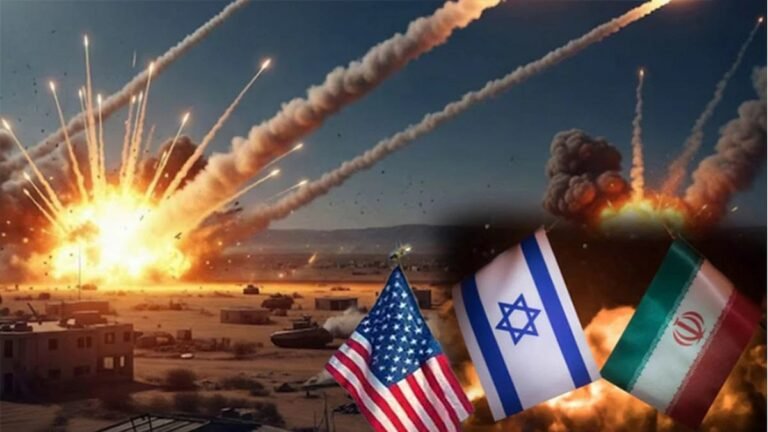
The Middle East remains one of the most important regions in the world. It is home to major energy resources, historic civilizations, important trade routes, and many religious landmarks. However, despite its importance, the region continues to face serious political and security challenges. As a result, governments, analysts, and citizens closely follow Iran News to understand how current events may affect peace and stability.
Understanding the Importance of Peace in the Middle East
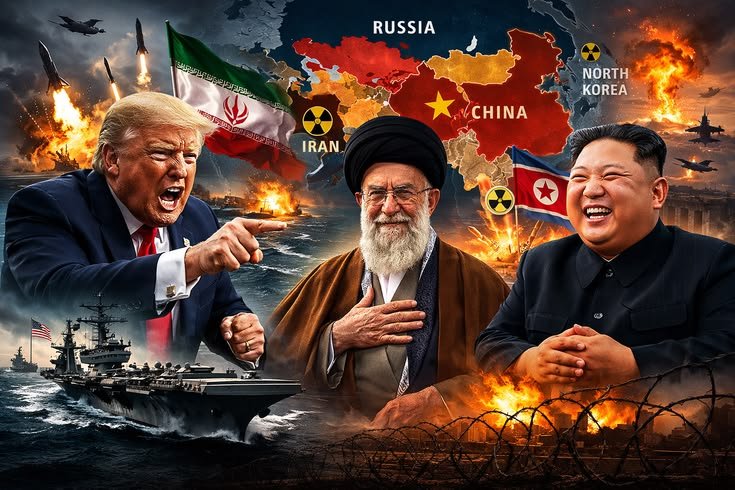
Peace is essential for economic growth, social development, and regional stability. Without peace, countries often face difficulties in improving living conditions, attracting investment, and creating opportunities for future generations.
Furthermore, peaceful relations encourage trade, cultural exchange, and cooperation. Therefore, governments throughout the region continue to discuss ways to reduce tensions and strengthen diplomatic ties.
At the same time, peace is not only a political goal. It is also an economic and humanitarian necessity. When conflicts continue, civilians often experience hardship, uncertainty, and displacement. As a result, efforts to promote stability remain a major focus of regional and international discussions.
Because Iran is a significant regional actor, developments reported in Iran News frequently relate to peace initiatives, security issues, and diplomatic engagement.
Iran’s Position in the Middle East
Iran is one of the largest and most influential countries in the region. In addition, it has a strategic location that connects different parts of Asia and the Middle East.
Strategic Importance
Iran’s geography gives it a unique role in regional affairs. It borders several countries and has access to important waterways. Consequently, its actions can influence trade routes, energy markets, and security discussions.
Moreover, Iran possesses significant natural resources. Therefore, economic and political decisions made in Tehran often attract international attention.
Regional Influence
Iran maintains relationships with various countries across the Middle East. As a result, it participates in many regional discussions involving security, economic cooperation, and diplomacy.
Furthermore, regional developments often require communication among major powers. Therefore, Iran remains an important participant in conversations about stability and peace.
Key Peace Challenges Facing the Middle East
The Middle East faces multiple challenges that make peace efforts more complex. Although some progress has been achieved, several issues continue to affect regional stability.
Political Disagreements
Many countries have different views regarding regional security, alliances, and foreign policy. Consequently, political disagreements sometimes create tensions.
However, dialogue remains an important tool for resolving disputes. Therefore, diplomatic communication continues even during difficult periods.
Security Concerns
Security concerns remain one of the largest obstacles to lasting peace. Governments often focus on protecting their borders, maintaining stability, and preventing threats.
As a result, military readiness and security planning continue to play important roles in regional affairs.
Economic Pressures
Economic challenges can also influence political relationships. When economies face difficulties, governments may experience additional pressure in managing domestic and regional issues.
Therefore, economic cooperation is increasingly viewed as a pathway toward stronger regional stability.
Humanitarian Issues
Conflicts and instability can affect civilian populations. Consequently, humanitarian concerns remain an important part of peace discussions.
Moreover, international organizations frequently encourage solutions that prioritize civilian welfare and long-term recovery.
The Role of Diplomacy in Regional Stability
Diplomacy remains one of the most effective tools for reducing tensions. Through communication and negotiation, countries can address disagreements without escalating conflicts.
Diplomatic Engagement
Many regional leaders recognize the value of dialogue. Therefore, diplomatic meetings and discussions continue despite ongoing challenges.
Furthermore, diplomatic engagement helps build trust over time. As a result, countries may find opportunities to cooperate even when differences remain.
Confidence-Building Measures
Confidence-building measures help reduce misunderstandings and improve communication.
Examples include:
- Diplomatic consultations
- Economic partnerships
- Security discussions
- Cultural exchanges
- Regional cooperation initiatives
Consequently, these efforts can create a stronger foundation for peace.
International Mediation
International organizations and foreign governments sometimes support peace efforts by facilitating dialogue.
Therefore, mediation remains an important part of conflict prevention and diplomatic progress.
Security Challenges and Their Impact on Peace
Security concerns continue to shape regional policies. Therefore, understanding these challenges is essential when examining peace efforts.
Regional Rivalries
Competition among regional powers often affects diplomatic relationships.
While countries pursue their national interests, they also recognize the importance of avoiding wider instability. Consequently, balancing competition and cooperation remains a major challenge.
Military Tensions
Military activities can increase uncertainty. As a result, governments frequently monitor developments and assess potential risks.
However, diplomatic communication often helps prevent misunderstandings from escalating into larger disputes.
Border Security
Border security remains a priority for many countries. Therefore, governments invest resources in maintaining stability and preventing security threats.
At the same time, cooperation among neighboring states can improve regional security outcomes.
Economic Cooperation as a Path to Peace
Economic partnerships can strengthen relationships between countries. Therefore, many experts view economic cooperation as an important component of long-term peace.
Trade Opportunities
Trade encourages interaction and mutual benefit. As a result, countries often have stronger incentives to maintain stable relationships.
Furthermore, increased commerce can create jobs and support economic growth.
Infrastructure Development
Regional infrastructure projects can improve connectivity and support economic progress.
Examples include:
- Transportation networks
- Energy projects
- Trade corridors
- Technology partnerships
Consequently, these initiatives may contribute to stronger regional cooperation.
Investment and Growth
Investment supports development and innovation. Therefore, a stable environment is often necessary for attracting long-term economic opportunities.
As peace efforts progress, economic benefits may become more visible across the region.
The Impact of Energy on Regional Relations
Energy remains a major factor in Middle Eastern politics. Therefore, developments related to oil and natural gas often influence regional discussions.
Importance of Energy Resources
The Middle East contains some of the world’s largest energy reserves. As a result, global markets closely monitor developments in the region.
Furthermore, energy exports provide significant economic benefits for many countries.
Energy Security
Energy security involves protecting production facilities, transportation routes, and export infrastructure.
Consequently, regional stability remains important for both producers and consumers.
Future Energy Trends
As global energy markets evolve, countries continue exploring new opportunities for growth and cooperation.
Therefore, energy policy remains an important subject in regional discussions.
Peace Initiatives and Regional Dialogue
Many governments have expressed support for peaceful solutions to regional challenges.
Diplomatic Forums
Regional forums provide opportunities for leaders to discuss shared concerns.
Moreover, these meetings encourage cooperation and help build stronger communication channels.
Confidence Through Cooperation
Cooperation can reduce tensions and create opportunities for progress.
Examples include:
- Economic agreements
- Security consultations
- Cultural exchanges
- Educational partnerships
As a result, countries may develop stronger relationships over time.
Long-Term Vision
Sustainable peace requires patience and commitment. Therefore, many peace initiatives focus on long-term goals rather than immediate results.
International Perspectives on Middle East Peace
The international community closely follows developments in the Middle East.
Role of Global Powers
Major global powers often support diplomatic efforts aimed at reducing tensions.
Furthermore, they may encourage dialogue and cooperation among regional actors.
United Nations Involvement
The United Nations promotes peaceful conflict resolution and international cooperation.
As a result, UN initiatives often focus on dialogue, humanitarian support, and stability.
Global Economic Interests
Because the Middle East influences global trade and energy markets, international stakeholders have strong interests in regional peace.
Therefore, stability remains a shared objective among many nations.
Challenges to Lasting Peace
Although progress is possible, several obstacles continue to affect peace efforts.
Trust Deficits
Trust can be difficult to establish after years of disagreement.
However, continued dialogue may gradually improve relationships.
Competing Priorities
Different countries often have different strategic goals. Consequently, finding common ground can require extensive negotiation.
Security Risks
Security concerns sometimes create barriers to cooperation.
Nevertheless, diplomatic engagement remains an important method for addressing these challenges.
Economic Uncertainty
Economic pressures can influence political decisions. Therefore, economic stability often supports broader peace efforts.
Opportunities for Future Stability
Despite challenges, there are also reasons for optimism.
Growing Interest in Dialogue
Many regional leaders recognize that cooperation can provide mutual benefits.
Therefore, interest in diplomatic engagement continues to grow.
Economic Integration
Economic partnerships may encourage stronger regional relationships.
As trade and investment increase, countries often develop greater incentives for stability.
Technological Development
Technology can support economic growth, education, and communication.
Consequently, innovation may contribute to long-term regional progress.
Youth and Future Generations
The region has a large and dynamic youth population. Therefore, investments in education and opportunity may help support a more stable future.
Why Following Regional Developments Matters
Understanding regional developments helps people stay informed about important global issues.
Moreover, political decisions made in the Middle East can influence:
- Global energy markets
- International trade
- Security policies
- Economic forecasts
- Diplomatic relations
Therefore, staying informed through reliable sources is essential.
At the same time, readers should seek information from credible and balanced reporting. Consequently, they can better understand complex regional issues and ongoing peace efforts.
The Future Outlook for Middle East Peace
The future of the Middle East will depend on diplomacy, cooperation, and responsible leadership.
While challenges remain, opportunities for progress also exist. Therefore, continued dialogue will likely play a critical role in shaping future developments.
Furthermore, economic cooperation, regional communication, and confidence-building measures may help reduce tensions over time.
Although disagreements will continue, many governments understand the value of stability and peaceful engagement. As a result, diplomatic efforts are expected to remain a central feature of regional politics.
For observers around the world, following Iran News provides important insights into these developments and the broader search for peace in the Middle East.
Conclusion
The Middle East continues to face significant peace challenges, including political disagreements, security concerns, economic pressures, and regional competition. However, opportunities for progress remain available through diplomacy, cooperation, and dialogue.
Iran plays an important role in these developments due to its strategic location, regional influence, and involvement in key political discussions. Therefore, developments related to Iran often attract international attention and shape broader regional conversations.