The Middle East continues to face major political and military tension. Among all regional conflicts, the Iran-Israel military crisis has become one of the most discussed global issues. Therefore, millions of people follow every major update connected to Iran, Israel, and regional security. In recent years, Iran News, military threats, missile strikes, diplomatic disputes, and regional alliances have increased tensions across the Middle East.
Understanding the Iran-Israel Military Crisis

The Iran-Israel military crisis did not begin recently. Instead, tensions developed over many decades. Although both countries once maintained indirect cooperation before the 1979 Islamic Revolution, relations changed dramatically afterward.
After the Islamic Revolution, Iran adopted a strong stance of opposition to Israeli policies in the region. Since then, political disagreement, military threats, and regional competition have continued to increase.
Today, the crisis includes:
- Military tension
- Regional alliances
- Missile programs
- Cyber operations
- Intelligence conflicts
- Proxy warfare
- Diplomatic disputes
Because of these issues, international observers closely monitor every new development.
Iran News: Why Iran Holds Major Importance in the Middle East
Iran remains one of the most powerful countries in the Middle East. Therefore, regional politics often change according to Iran’s decisions and strategies.
Strategic Geographic Position
Iran News, holds an important geographic position near the Persian Gulf and the Strait of Hormuz. This area controls a large percentage of global oil transportation.
As a result, political tension involving Iran can quickly affect:
- Oil prices
- Shipping routes
- Energy markets
- International trade
- Global economic stability
Because of this reality, world powers carefully watch every important development connected to Iran.
Iran News: Military Strength and Defense System
Iran has developed advanced military capabilities over many years. These capabilities include:
- Missile systems
- Drone technology
- Naval forces
- Air defense systems
- Cyber defense programs
Iran also maintains strong regional partnerships. Therefore, many countries consider Iran a major regional power.
Iran News: How the Iran-Israel Conflict Increased Over Time
The conflict between Iran and Israel gradually became more serious because of political disagreement and regional competition.
The Palestinian Issue
One major issue involves Palestine. Iran strongly supports Palestinian rights and criticizes Israeli military actions in Palestinian territories.
At the same time, Israel views some Iranian-backed groups as security threats.
Because of these opposing positions, diplomatic relations between the two countries remain extremely tense.
Regional Influence Competition
Iran and Israel both seek strong influence in the Middle East.
Iran supports several regional allies and resistance groups. Meanwhile, Israel continues expanding security partnerships with regional countries.
As a result, competition between the two countries extends across multiple areas of the Middle East.
Military Operations in Syria
Syria has become one of the main locations of tension.
Iran supports the Syrian government through military advisors and strategic cooperation. However, Israel frequently conducts military strikes against locations connected to Iranian military activity inside Syria.
These operations continue to increase regional security concerns.
Recent Military Developments Between Iran and Israel
Recent years have witnessed serious military developments involving Iran and Israel.
Drone and Missile Activity
Drone technology now plays a major role in modern warfare. Both Iran and Israel have invested heavily in advanced drone systems.
Several incidents across the region have involved:
- Surveillance drones
- Missile interceptions
- Air defense systems
- Strategic targeting operations
Consequently, military experts continue warning about the possibility of wider regional conflict.
Cyber Warfare and Intelligence Operations
Modern conflict no longer depends only on traditional military attacks. Instead, cyber warfare has become extremely important.
Both sides reportedly conduct cyber operations targeting:
- Communication systems
- Industrial networks
- Security infrastructure
- Government technology systems
Because cyber attacks can affect national security, governments now invest heavily in digital defense.
Naval Security Concerns
The Persian Gulf and nearby waters remain highly sensitive areas.
Several naval incidents involving commercial ships, military vessels, and regional patrols have increased international concern.
As a result, global powers continue strengthening naval monitoring in strategic waterways.
The Role of the United States in the Crisis
The United States remains deeply involved in Middle East politics.
US Support for Israel
The United States maintains strong political and military relations with Israel.
This partnership includes:
- Defense cooperation
- Intelligence sharing
- Military aid
- Strategic coordination
Because of this relationship, US policy strongly affects the regional balance of power.
US Tensions With Iran
Relations between Iran and the United States have remained difficult since the 1979 Islamic Revolution.
Several issues continue to create tension, including:
- Economic sanctions
- Nuclear disagreements
- Regional military activity
- Maritime security disputes
As a result, diplomatic relations remain highly complicated.
Military Presence in the Region
The United States maintains military bases across the Middle East.
American officials argue that this presence helps:
- Protect regional allies
- Maintain maritime security
- Prevent escalation
- Support counterterrorism operations
However, Iranian leaders frequently criticize foreign military presence near Iranian borders.
The Iran Nuclear Issue and International Reactions
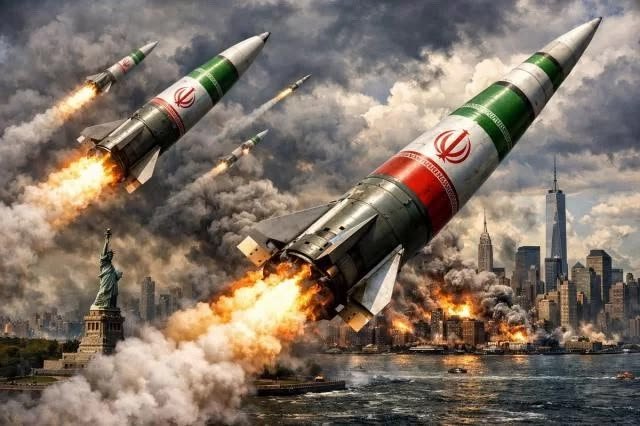
The nuclear issue remains one of the most important topics connected to Middle East politics.
Iran states that its nuclear program focuses on peaceful scientific and energy purposes. However, several Western countries and Israel continue expressing concern.
The Nuclear Agreement
The 2015 nuclear agreement represented a major diplomatic effort involving:
- Iran
- The United States
- European countries
- China
- Russia
Under the agreement, Iran accepted monitoring measures while some sanctions were reduced.
Collapse of Diplomatic Progress
Later, the United States withdrew from the agreement and restored sanctions.
Consequently:
- Diplomatic trust weakened
- Economic pressure increased
- Negotiations became more difficult
Since then, several international efforts have attempted to restart discussions.
Regional Security Concerns
Israel continues expressing concern that Iran could expand military capabilities through nuclear technology.
Therefore, the nuclear issue remains closely connected to regional military tension.
Economic Effects of the Iran-Israel Crisis
The military crisis affects not only politics but also the global economy news.
Oil Market Instability
The Middle East controls a major percentage of global oil production.
Therefore, tension involving Iran can quickly increase oil prices worldwide.
When military threats rise:
- Energy markets become unstable
- Fuel prices increase
- Shipping costs rise
- Investor confidence weakens
Because of this situation, international markets carefully monitor regional developments.
Sanctions and Iranian Economy
Economic sanctions continue affecting Iran’s economy.
These sanctions target:
- Banking systems
- Oil exports
- Technology imports
- International business partnerships
As a result, inflation and economic pressure have increased significantly
Impact on Ordinary Citizens
Politics often creates hardship for ordinary people.
Many families across the region face:
- Rising living costs
- Employment challenges
- Economic uncertainty
- Limited business opportunities
Therefore, many citizens support peaceful diplomatic solutions.
Regional Alliances and Political Power Struggles
The Middle East contains several competing alliances.
Iran’s Regional Partnerships
Iran maintains strong relations with several regional groups and governments.
These relationships help Iran expand strategic influence across the region.
Iran maintains influence in:
- Iraq
- Syria
- Lebanon
- Yemen
Because of these alliances, Iran plays a major role in regional security discussions.
Israel’s Regional Cooperation
Israel has also expanded diplomatic and security cooperation with several Middle Eastern countries.
These partnerships focus on:
- Economic cooperation
- Technology development
- Security coordination
- Intelligence sharing
As a result, regional political dynamics continue changing.
Competition for Influence
Both Iran and Israel seek stronger regional influence.
Therefore, competition often appears in the following ways:
- Diplomatic pressure
- Military strategy
- Economic partnerships
- Security cooperation
This competition remains to change the central issues shaping Middle East politics.
Conclusion
The Iran-Israel military crisis remains one of the most important geopolitical issues in the modern world. Military tensions, nuclear concerns, cyber operations, regional alliances, and diplomatic disagreements continue shaping Middle East politics.
At the center of these developments stands Iran News, which continues attracting worldwide attention because of Iran’s strategic importance and regional influence.
The relationship between Iran, Israel, and the United States remains highly sensitive. Consequently, every military development, diplomatic statement, and security incident receives close global attention.